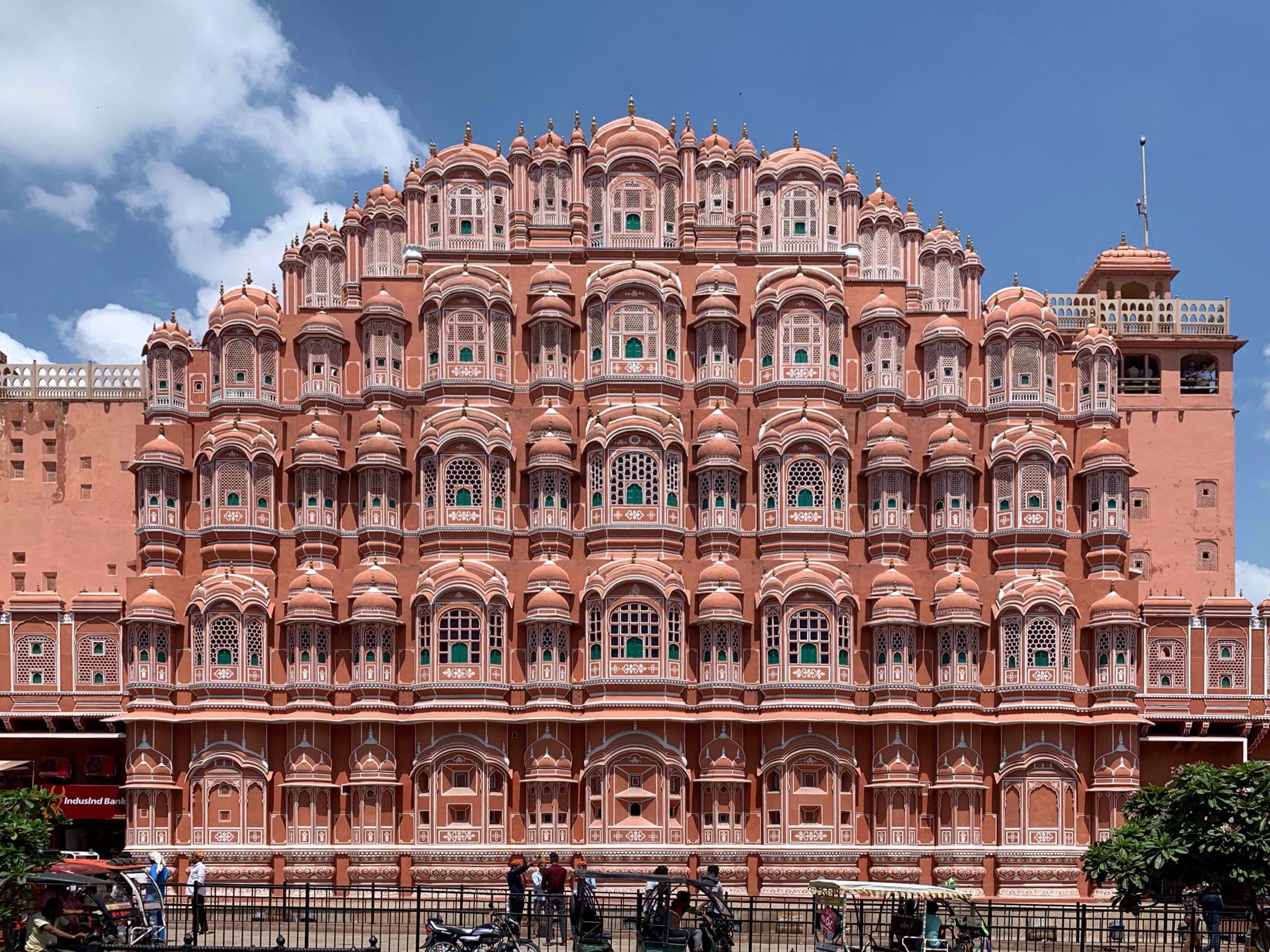
The pink sandstone façade of the Hawa Mahal in Jaipur, rising in tiers of latticed windows against a blue sky.
A visitor’s guide

Discover Jaipur

The Pink City: its history, its landmarks, and how to spend one, two or three days here.

Photo: Chainwit., CC BY-SA 4.0
History and identity

A planned city, founded in 1727

Jaipur was founded in 1727 by Sawai Jai Singh II, a Kachhwaha Rajput ruler, and takes his name. It is the capital of Rajasthan, and with Delhi and Agra it forms the Golden Triangle that many visitors to north India travel.Source: Incredible India (Ministry of Tourism) — Jaipur

Unlike the hill towns around it, Jaipur was laid out on the plain to a grid plan. Its main streets are lined with colonnaded shops and meet at large public squares called chaupars. UNESCO inscribed the walled city as a World Heritage Site in 2019.Source: UNESCO World Heritage Centre — Jaipur City, Rajasthan

The plan is credited to Vidyadhar Bhattacharya and follows the principles of Vastu Shastra, dividing the city into nine blocks.Source: Incredible India (Ministry of Tourism) — Jaipur

In 1876 Maharaja Ram Singh had the old city painted pink to welcome the Prince of Wales, the colour standing for hospitality. That is where the name "the Pink City" comes from.Source: Incredible India (Ministry of Tourism) — Jaipur

Heritage

The landmarks

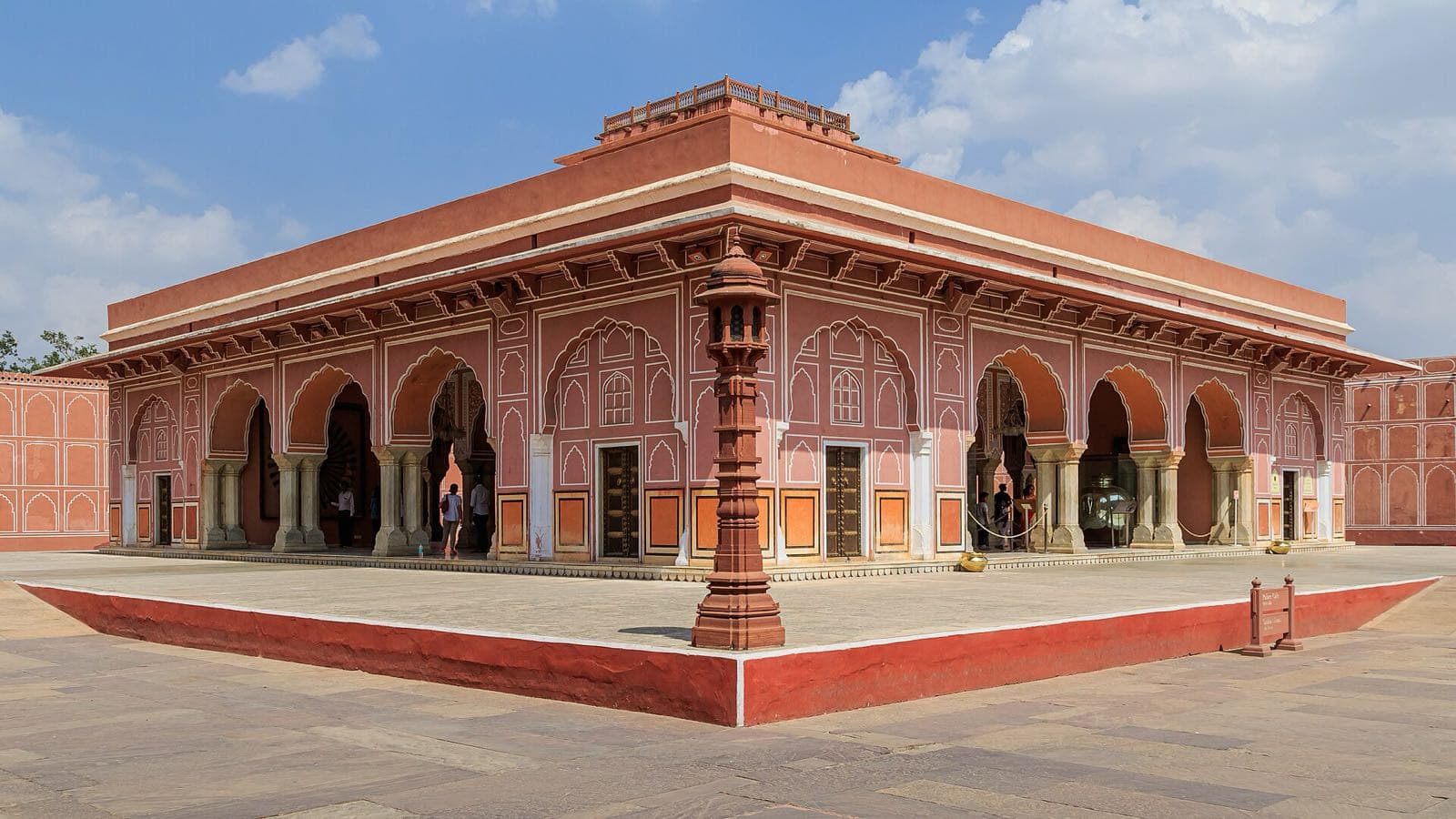
The arcaded pink pavilion of the Diwan-i-Khas, the hall of private audience, in the City Palace courtyard.
The Diwan-i-Khas, the hall of private audience, at the City Palace.Photo: A.Savin, Free Art License

City Palace

Founded in 1727 by Sawai Jai Singh II as part of the new city, and added to by his successors: a series of courtyards, halls and galleries in Rajasthani and Mughal styles, now open to visitors.

Source: Incredible India — City Palace

Hawa Mahal

Built in 1799 by Maharaja Sawai Pratap Singh, a grandson of Sawai Jai Singh II, and designed by Lal Chand Ustad. It stands in the heart of the old city.

Source: Incredible India — Hawa Mahal

Albert Hall Museum

A late 19th-century building set in gardens, holding collections that range from sculpture and textiles to metalwork and miniature paintings.

Source: Incredible India — Albert Hall Museum
Itineraries

One, two or three days

Suggested routes, grouped so that each day stays in one part of the city. They are not timed plans: check opening hours before you set out.

One day

The walled city on foot.

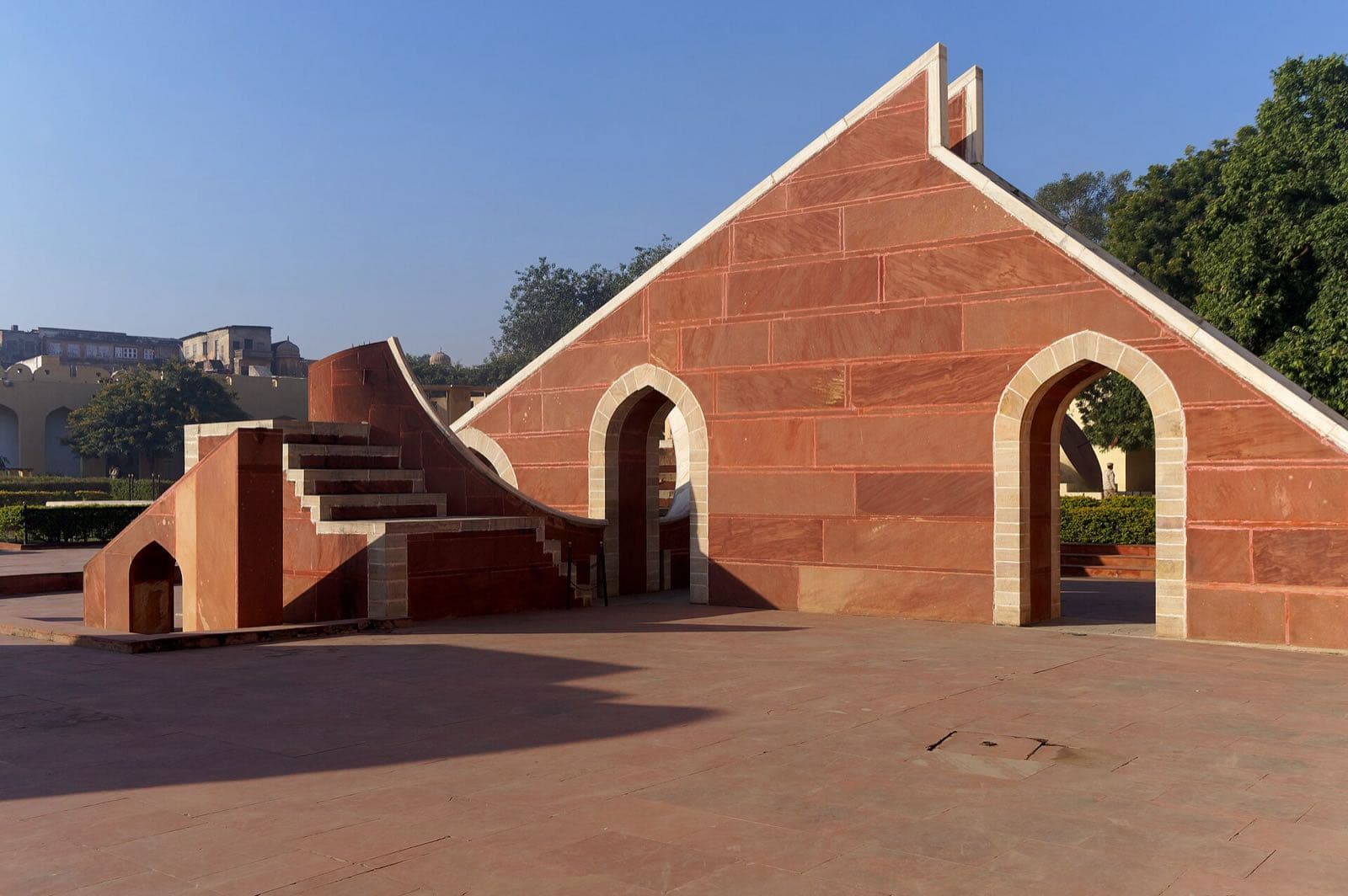
  1. Start at the City Palace, then cross to the Jantar Mantar, which stands alongside it.
  2. Walk to the Hawa Mahal; its façade is best seen from the street in front of it.
  3. Spend the afternoon in the old city’s bazaars.
  4. End at the Albert Hall Museum, just south of the walled city.

Two days

Day one as above. Day two north of the city, at Amer.

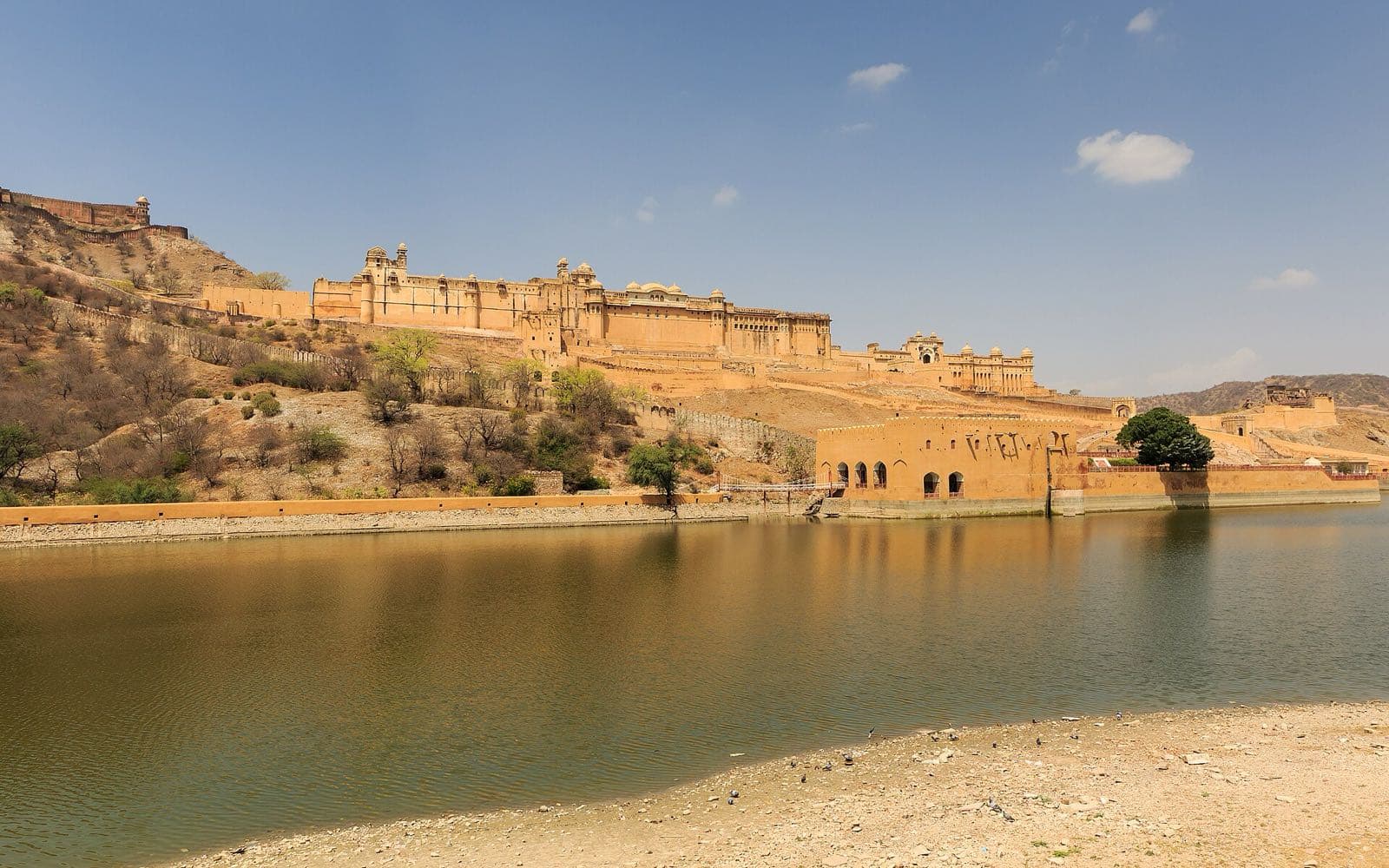
  1. Go to Amer Fort early, before the heat and the crowds build.
  2. On the way back, stop at the Jal Mahal, the palace in Man Sagar Lake, and see it from the lakeside.
  3. Finish on the ridge at Nahargarh Fort, which looks out over the city.

Three days

The first two days as above. Day three for crafts, food and a slower pace.

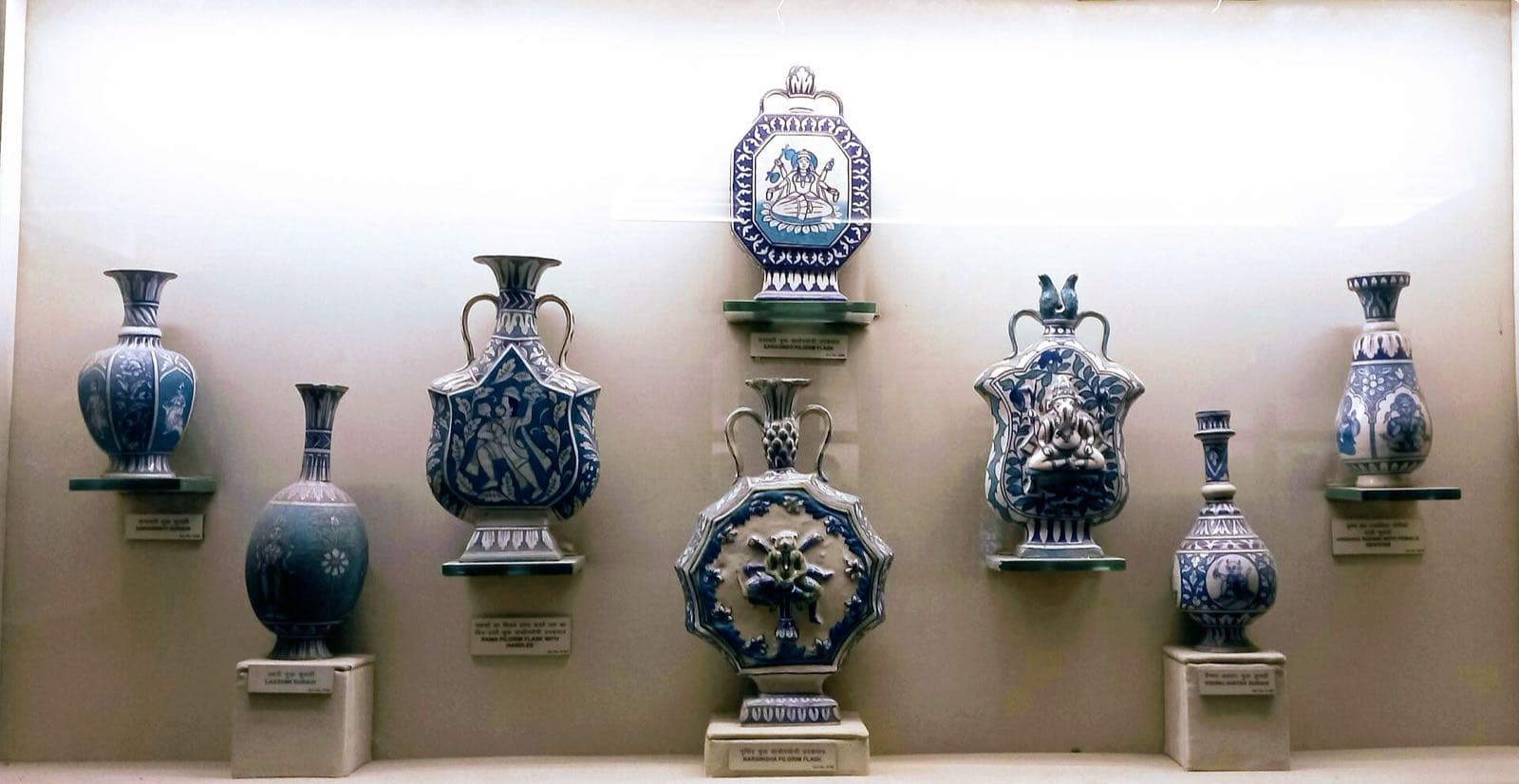
  1. Look for blue pottery and block-printed textiles, two crafts closely tied to Jaipur.
  2. Go back to the bazaars you passed quickly on day one, or to a museum gallery you skipped.
  3. Leave room for an unhurried meal of Rajasthani food.
Markets, crafts and food

What to look for

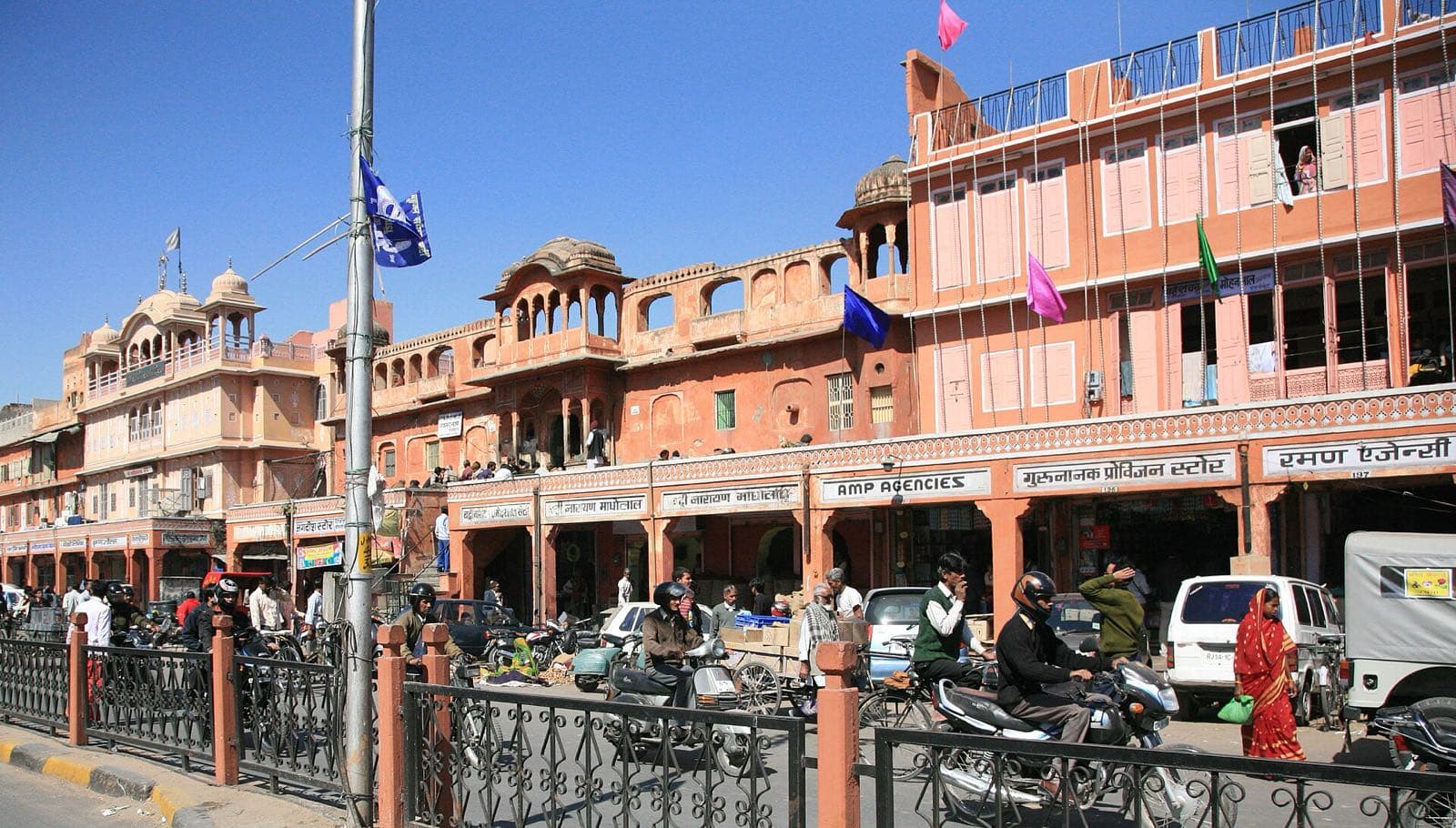
A row of pink-painted shopfronts and balconies on a busy street in Tripolia Bazaar, with scooters and shoppers below.
Street life in Tripolia Bazaar, in the walled city.Photo: Hans A. Rosbach, CC BY-SA 3.0

Bazaars

The old city’s main streets are still market streets. Jewellery and gemstones, textiles, footwear, lac bangles and brassware are all found in its bazaars. Bargaining is common; fixed-price shops exist too.

Our suggestion
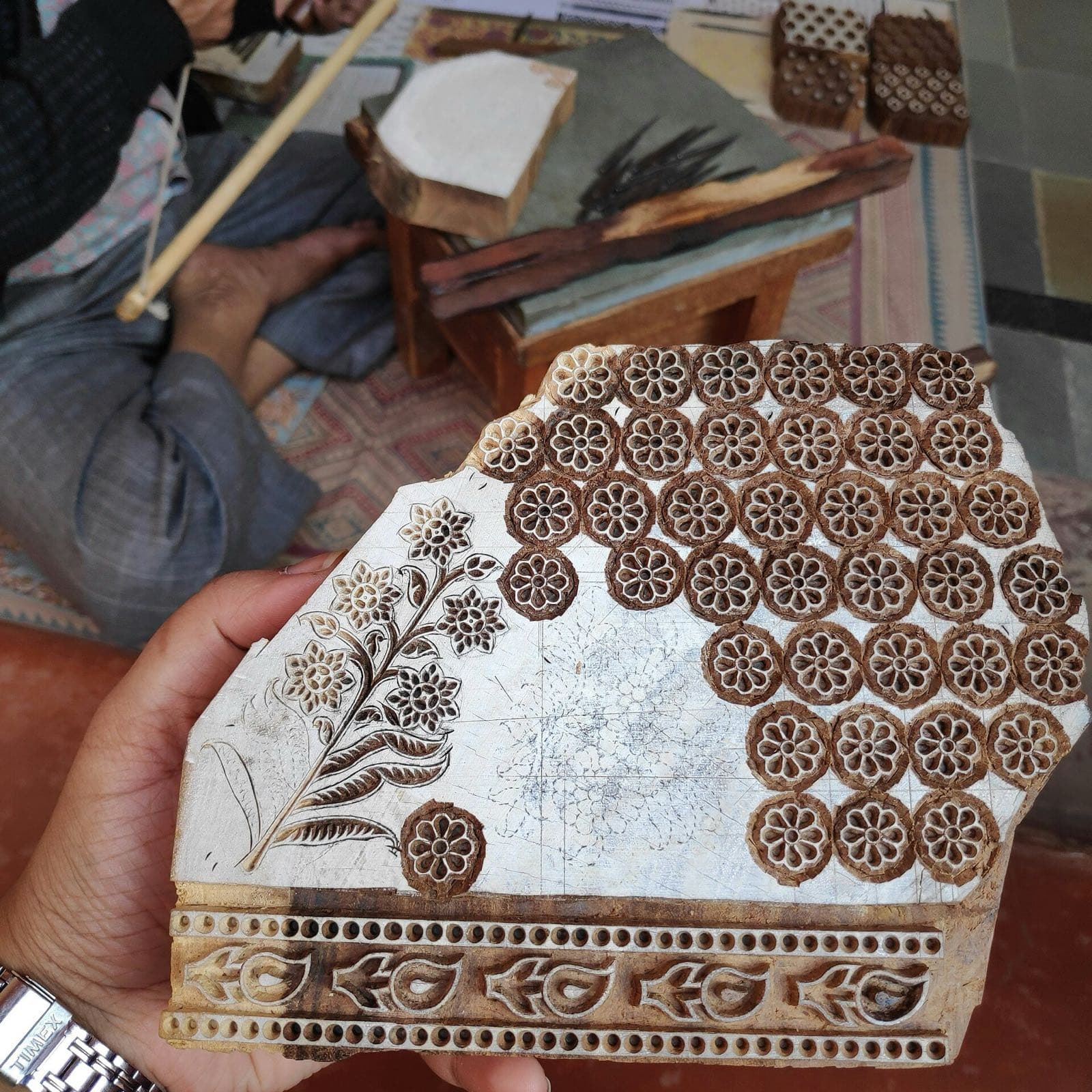
A hand holding a carved wooden textile-printing block, its face cut with rows of flower motifs and a patterned border.
A hand-carved wooden block for textile printing.Photo: Journyes, CC BY-SA 4.0

Block printing

Hand block-printed textiles are one of the region’s best-known crafts; the printing towns of Sanganer and Bagru lie a short drive from the city.

Our suggestion
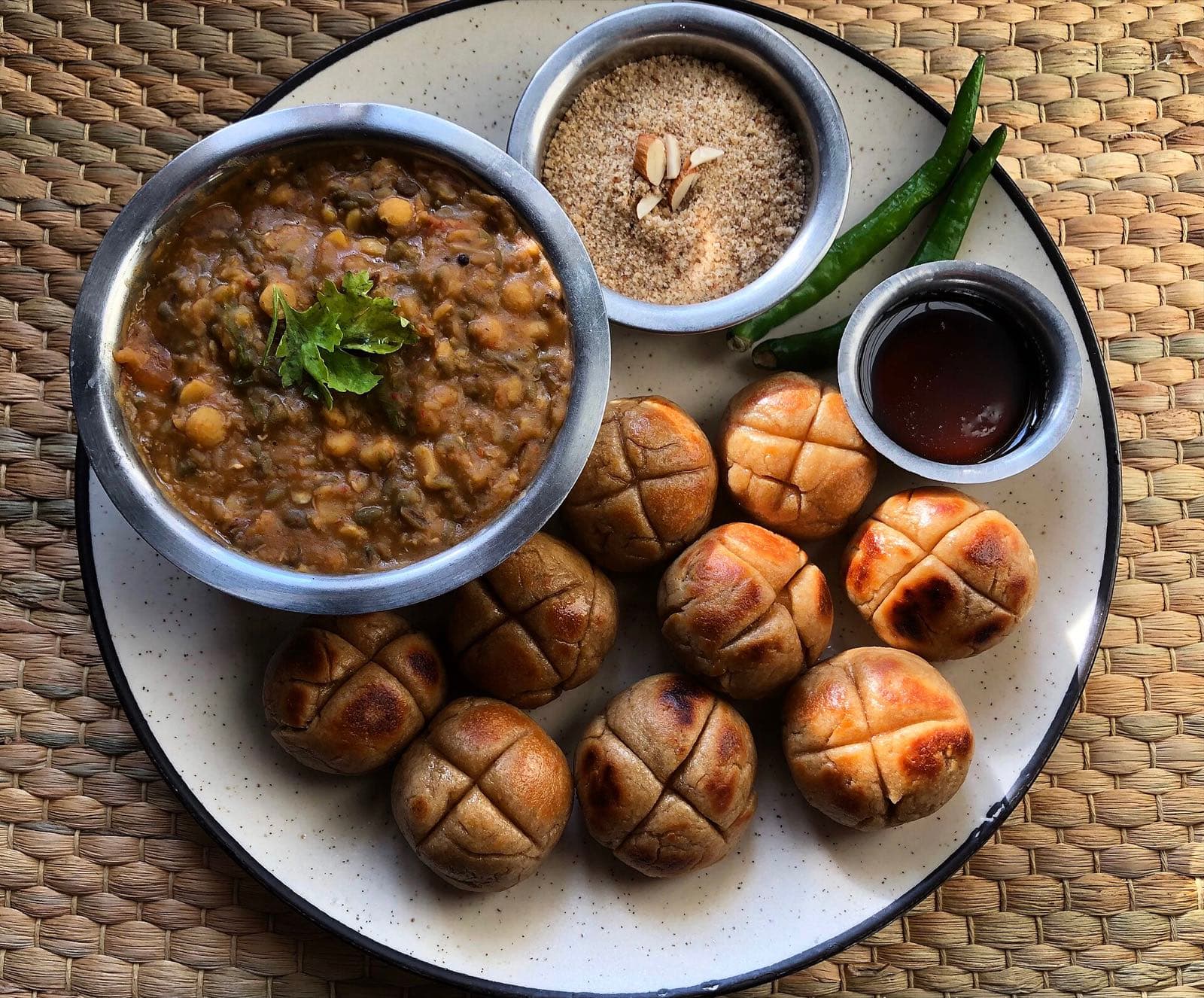
A plate of dal baati churma: a bowl of lentil dal, round baked wheat baati, a bowl of crumbled churma and green chillies.
Dal baati churma, a Rajasthani dish.Photo: Mahi Tatavarty, CC BY-SA 4.0

Food

Rajasthani cooking is worth seeking out: dal baati churma, kachori and, in season, the sweet ghewar are good places to start.

Our suggestion

Kite flying

On Makar Sankranti, 14 January, the city takes to its rooftops to fly kites, and the state tourism department holds a kite festival.

Source: Incredible India — Kite Festival
Practical

Before you go

Getting here

Jaipur International Airport (JAI) and Jaipur Junction railway station (JP) serve the city.

Source: Incredible India (Ministry of Tourism) — Jaipur

Getting around

The operating metro line runs from Mansarovar to Badi Chaupar, with stations at Jaipur Junction railway station and in the old city at Chandpole, Chhoti Chaupar and Badi Chaupar. Amer and Nahargarh are outside its reach, so plan road transport for those.

Source: Rajasthan Transport Department — Jaipur Metro stations

When to visit

April to June is very hot: the official monthly temperature ranges for those months reach 42 to 45 °C. October to March is milder, and nights in December and January can fall to around 4 to 5 °C.

Source: Incredible India (Ministry of Tourism) — Jaipur

Hours, tickets and events

Opening hours, ticket prices and festival dates change. Check them with the site or the organiser before you go, and ask at the first ticket counter whether a combined ticket for several monuments is on sale.

Our suggestion
Sources

Where these facts come from

Each source below was read on 11 October 2026. Itineraries and advice marked “Our suggestion” are ours, not facts from these sources.

Photo credits

Staying longer?

If you are thinking about making Jaipur home, the first conversation is free, for up to thirty minutes.

Talk to an Advisor